Ideas

Thriving in the era of turbocharged BS

Ironman Lanzarote 2026

Don't let the LLM drive

Ironman world championship 2025 race report

Ironman France 2025 race report

Overconfident much?

Ironman Switzerland 2024 race report

Ironman Switzerland 2023 race report

Ironman Florida 2017 race report

Solvable — A three step process to solve complex problems
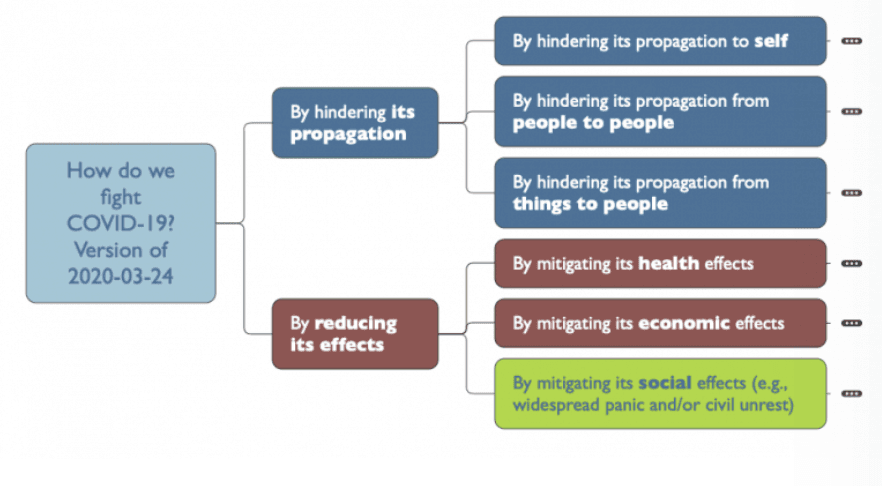
Fighting COVID-19 – Let's work the problem
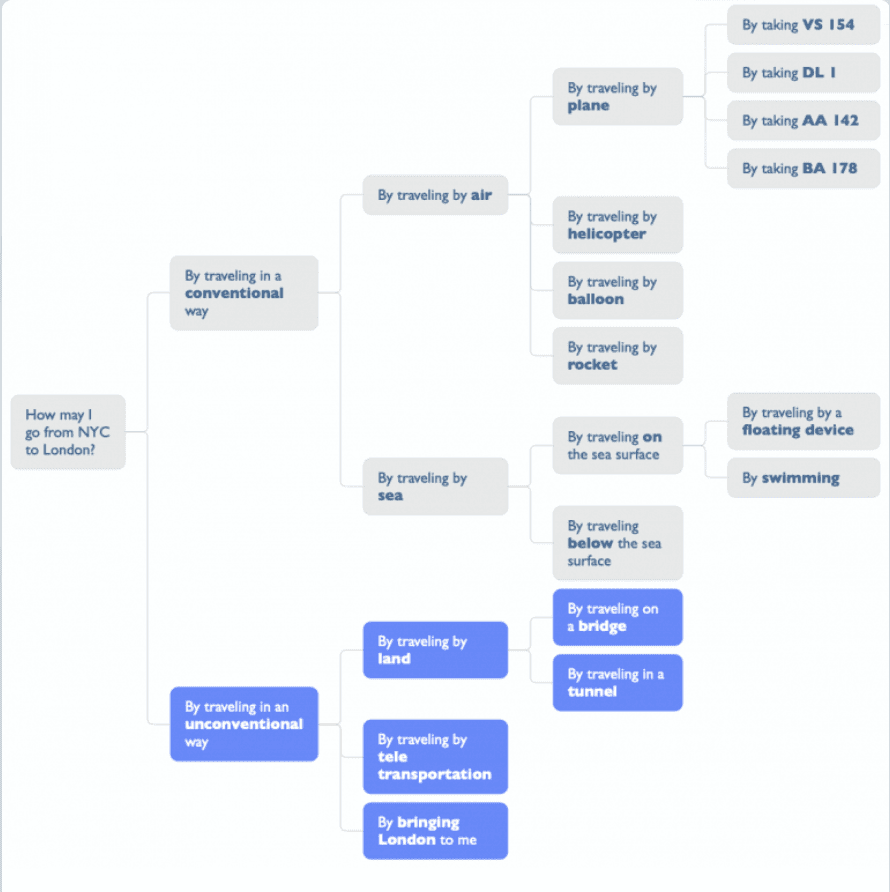
Follow four rules to better question maps
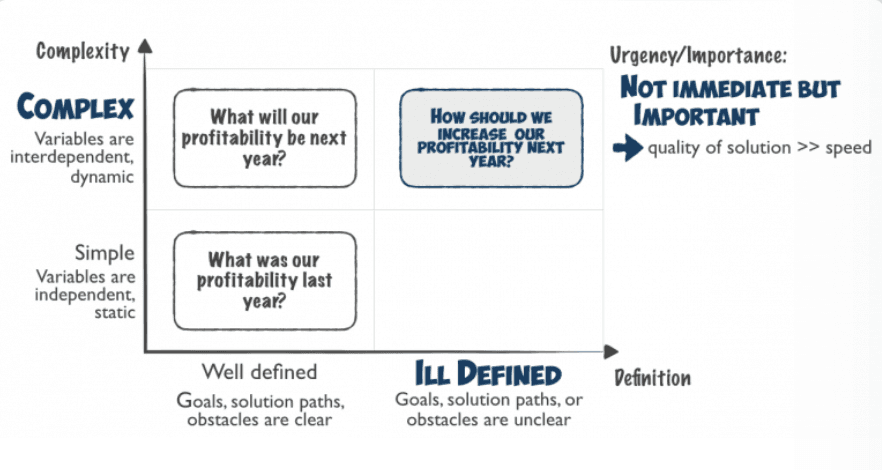
Recognize CIDNI problems

Balance humility and confidence

Use the SCQ rules quick reference sheet

Lausanne Marathon 2019

Embrace the messiness of evidence

William the magnificent
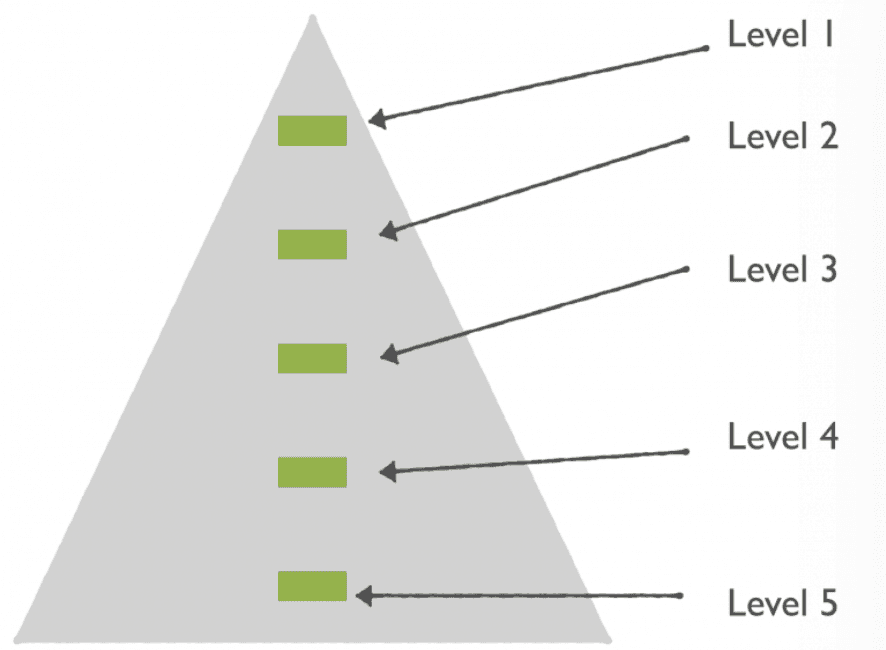
Recognize the different levels of trustworthiness for evidence

Frame with an SCQ sequence
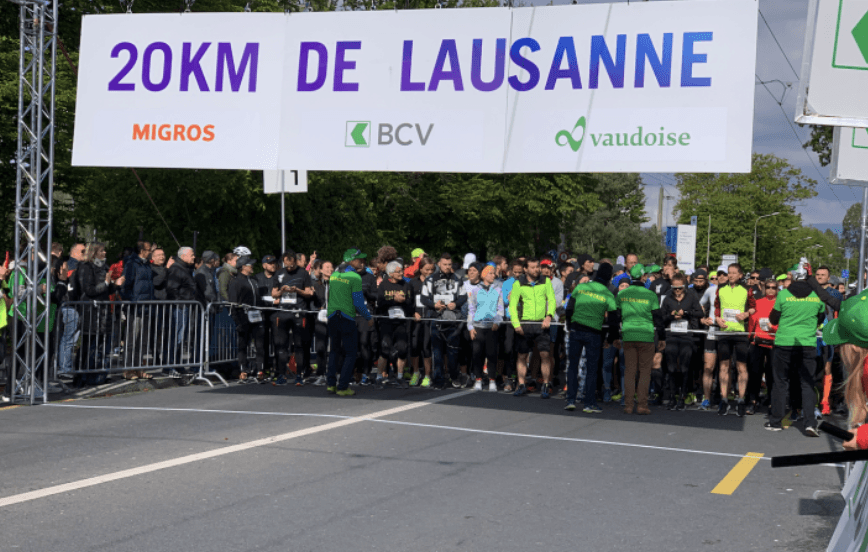
2019 20 km de Lausanne

Meet William

Embrace the distributed nature of decision making

What a problem solver can learn from the unfolding 737 Max story
Define stuff
Consider favoring simplicity over completeness
Don't look for perfection, it can be destructive
Don't look for perfection, it's not optimal
Don’t look for the "right" answer when an acceptable one will do

IMTX 2018 race report
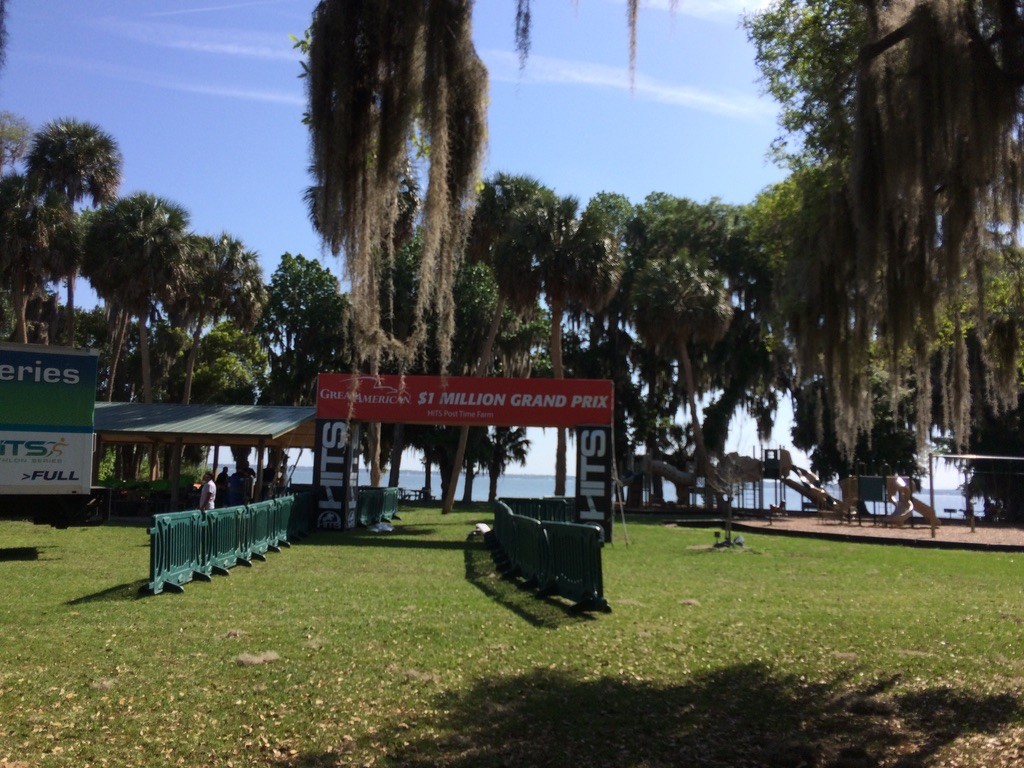
HITS Ocala 2016: Race Report
IMTX 2017 race report
Be a specialist and a strategic thinker
Engage your stakeholders
Use the saturation framework, others
Don’t underestimate the human side
Go beyond traditional decision analysis
Adopt a formal process to solve complex problems
Watch for bikes! (expect the unexpected)
IMTX 2016: Race Report
Strategic Thinking is available for pre-order
Looking for evidence, privilege quality over quantity
Also consider solutions that manage the problem
Manage your people like artists
Think big, start small, scale fast
Don’t overdesign your solution
Recognize and market your transferrable skills
The book is coming
IMTX 2015
Choose an appropriate level of accuracy
Borrow ideas from other disciplines
Use Bayesian inference
Leverage analogies
Improve your thinking by mapping it
Diagnose before looking for solutions
Choosing a solution – finding a lost dog
Use an assertion-evidence structure in your slides
Manage your confirmation bias
Focus your analysis on what matters
Use inductive, deductive, and abductive logic
Did Chris Froome dope to win the 2013 Tour de France? Part 3 – Conclusion
Did Chris Froome dope to win the 2013 Tour de France? Part 2
Did Chris Froome dope to win the 2013 Tour de France? Part 1
Look for confirming evidence too
Capture your diagnostic analysis in a why map
Use a MECE structure but let your ideas be ICE
Don’t (always) trust your intuition
In recurring negotiation, start nice then mirror
Look (primarily) for disconfirming evidence
(Truly) engage
Adopt a gradual rollout of solutions, if possible
Influence by making it their idea
(If you’re not an expert,) embrace constraints
Make your ill-defined problem a well-defined one
Engage your team
Find a good frame
Help others be successful
Integrate decision making into your overall problem-solving approach
Be careful what you conclude
Check your assumptions
Frame your problem
Improve your innovation by leveraging isomorphic problems
Use crowdsourcing to boost your organization’s innovation capacity
Learn to lead change from experts
Boost your working memory
Work forward in solving problems, not backward
If you’re the junior team member in a meeting, prepare the agenda
Improve your (team’s) T
Change how you recruit, train, and evaluate people
In appropriate settings, ask only experts
Design effective presentations
Manage your people well
Don’t overdo that MECE thing – make your ideas independent and collectively exhaustive
Resist the marshmallow
Know when to discard experts
To create effectively, transcend brainstorming
Don't over-generalize your expertise
Build on victories
Don’t get lost in the terminology
Triangulate on answers
Display information effectively
Use an Ishikawa diagram… or a diagnosis issue tree
Don’t make decisions based on culture (alone)
Diagnose like a Tappet Brother
Use your issue tree as a decision tree
Be more MECE (mutually exclusive and collectively exhaustive)
Use Standard Issue Trees – Part 1 – A Profitability Tree
Adapt your leadership style
Learn to build issue trees by watching
Choose the right type of slide
Choose the option that has the highest expected value
Get the most out of your charts
Brainstorm effectively
Adapt your slide design
Get a devil’s advocate
Don’t look for the single perfect issue tree
Use good slide design
Be insightful
Reframe your thinking
Don’t do cargo cult business
Simplify!
Use decision matrices
Tell a story
Put design to your service
Get technological help (building issue trees)
Have a bias for action
Don’t boil the ocean
Go for quick wins
Follow the Pareto Principle
Develop your presentation from the first day
Balance satisficing and optimizing
Start with your main idea
Case study: cables negotiation — part 8/8 — Present your conclusions
Case study: cables negotiation — part 7/8 — Prepare your message
Case study: cables negotiation — part 6/8 — Choose a solution
Case study: cables negotiation — part 5/8 — Generate solutions
Case study: cables negotiation — part 4/8 — Test your hypotheses
Case study: cables negotiation — part 3/8 — Build a why issue tree (2/2)
Case study: cables negotiation — part 2/8 — Build a why issue tree (1/2)
Case study: cables negotiation — part 1/8 — Build a good problem identification card
Use existing frameworks wherever possible
Diverge effectively in your thinking
Ask “so what?”
Use processes appropriately
Put your main idea in the tagline of your slide
Adapt your confidence
Use logic
Build a problem identification card
Practice and enlist others
Be MECE—mutually exclusive and collectively exhaustive
Draw question maps
Deliver your answer
Only ask how if you know why